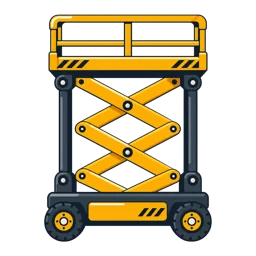
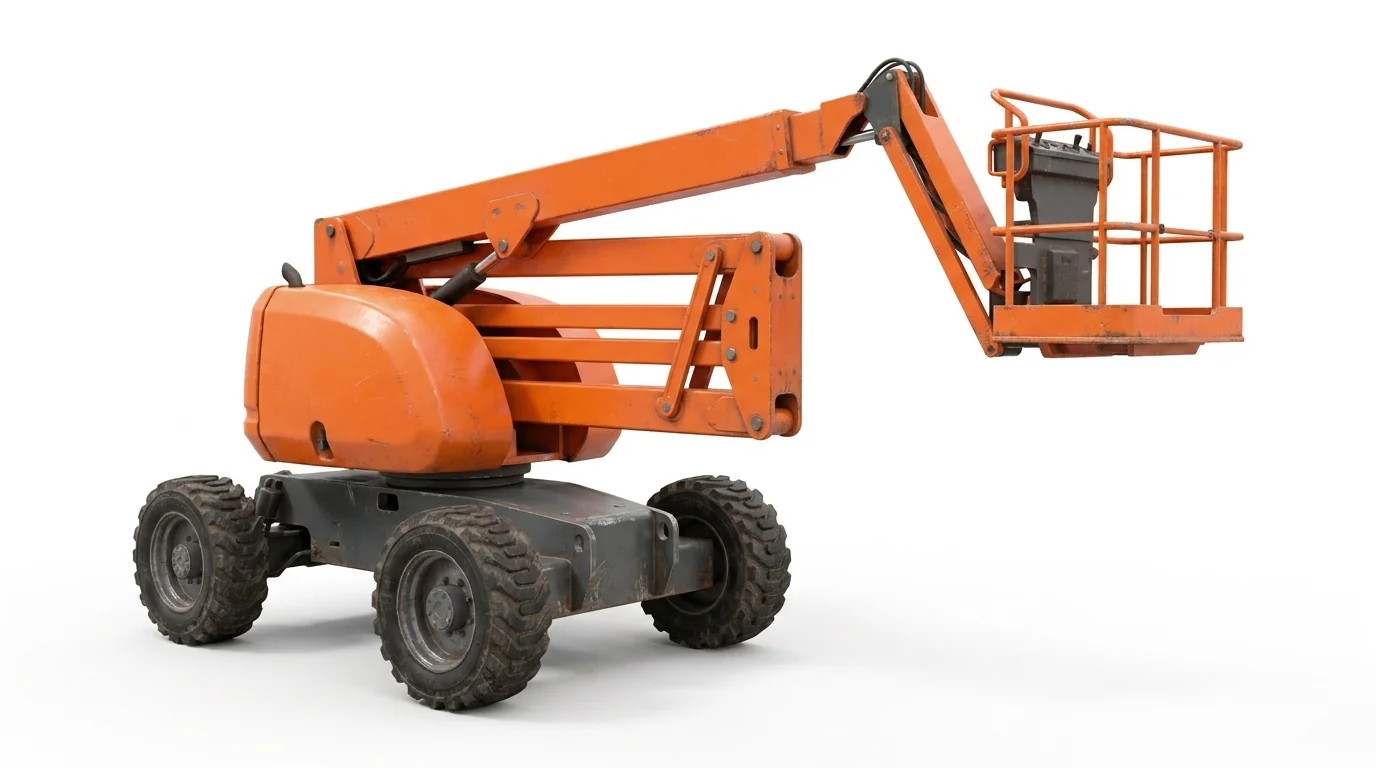
Scissor vs. boom: the core split
- Scissor lifts: Vertical access where the platform can sit directly below the target—ideal for aisles, production cells, and mechanical rooms. See /electric-scissor-lift-rental/ for indoor work or /rough-terrain-scissor-lift-rental/ for unpaved sites.
- Articulating boom lifts: Up-and-over access around pipes, conveyors, or canopies; useful in retrofit work across older industrial sites. Start at /boom-lift-rental/ to compare types.
- Telescopic boom lifts: Long, straight outreach for exterior steel, signage, or tall elevations when there’s room to set back the chassis.
Local factors that change the decision
- Winter conditions shift many tasks indoors. Electric, non-marking equipment is common for work in sensitive facilities concentrated near the urban core.
- High-bay racking in regional logistics buildings favors narrow slab scissors, while exterior dock canopies or setbacks may require an articulating boom.
- Variable grades near river-adjacent sites push outdoor choices toward rough-terrain platforms with greater ground clearance.
Size ranges and clearances
- Interior slabs: Verify floor load, slab condition, and turning room at end-of-aisle positions.
- Doorways and elevators: Stowed height and folding rails determine whether a unit reaches upper floors in older structures.
- Outdoor setbacks: For booms, confirm the stand-off distance, obstacle height, and necessary outreach.
Related categories
For targeted comparisons, explore /boom-lift-rental/ for articulating vs. telescopic booms, or head to /electric-scissor-lift-rental/ and /rough-terrain-scissor-lift-rental/ for vertical access options.