Define the site perimeter and traffic plan
Start with what must be kept inside the line: materials, equipment, or active work. Then map the outside pressures: public sidewalks, loading doors, and emergency access. Mark: - Gate positions aligned with delivery vehicles - Clear sightlines at drive lanes - Breaks for drainage and snow pushing during winter
In busy industrial yards, coordinate barrier runs with forklift aisles and telehandler swing paths. See /forklift-rental/ and /telehandler-rental/ for typical approach widths.
Surface and stability in regional weather
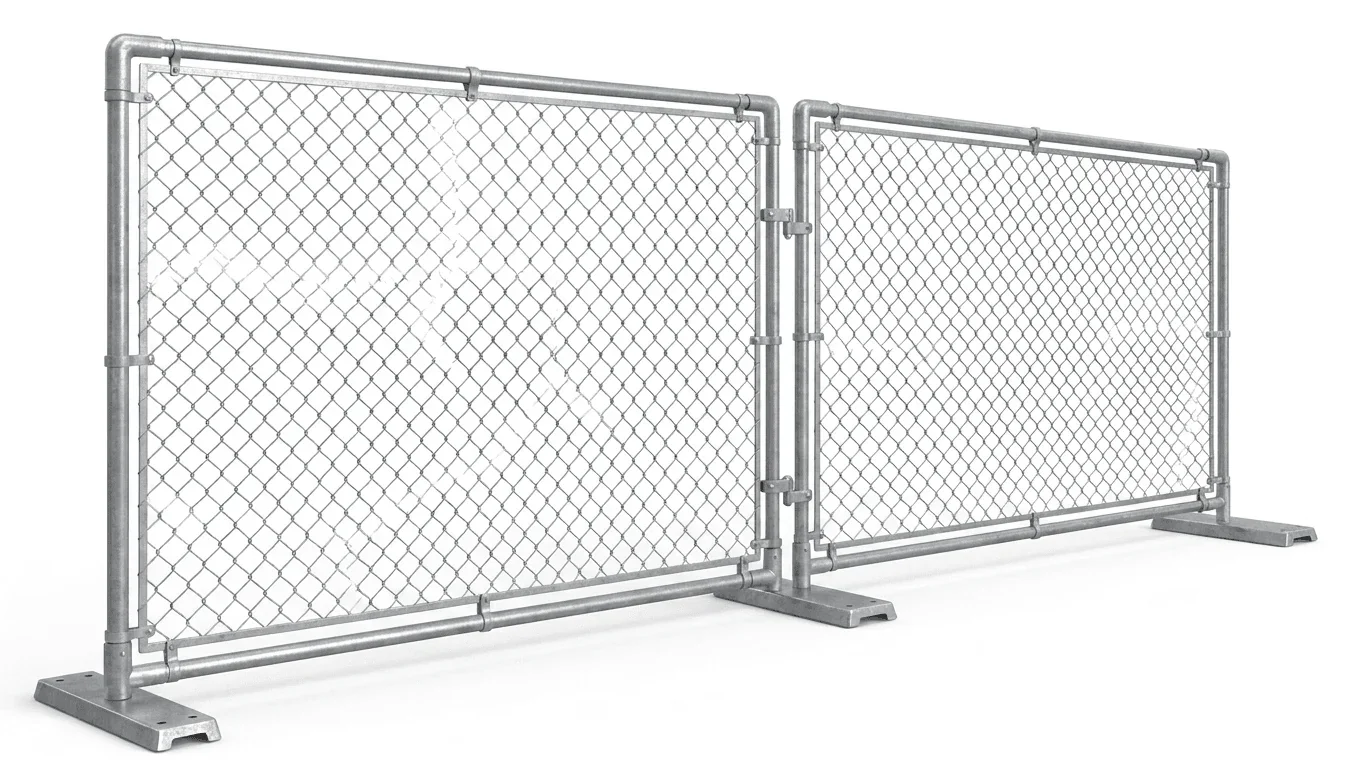
Grand Rapids’ freeze-thaw and lake-effect moisture challenge footing. On saturated soils or thawing gravel, panel bases can tilt, and site-stability factors needs change. For river-slope edges or hillside sites, plan shorter runs with frequent bracing and avoid stacking loads against panels. Where panels protect nighttime work, confirm lighting coverage and glare control with /generators-light-towers-rental/.
Interfaces with aerial and lift work
Barricades often define exclusion zones for scissor or boom lifts. The geometry question is whether the machine can sit below the task while staying inside the protected area. For indoor maintenance around sensitive finishes, see /electric-scissor-lift-rental/. For exterior elevation changes and uneven ground, see /rough-terrain-scissor-lift-rental/, /articulating-boom-lift-rental/, and /telescopic-boom-lift-rental/.
Actual conditions, the selected unit’s instructions, and site procedures govern exterior or elevated work near barricades.
Access, deliveries, and after-hours work
Healthcare upgrades and high-bay facilities often schedule work during low-traffic windows. Set gate widths for box trucks and stake out laydown without blocking fire lanes. In winter, plan panel placement so plows can clear snow without undercutting bases.