Determine standoff and line of approach
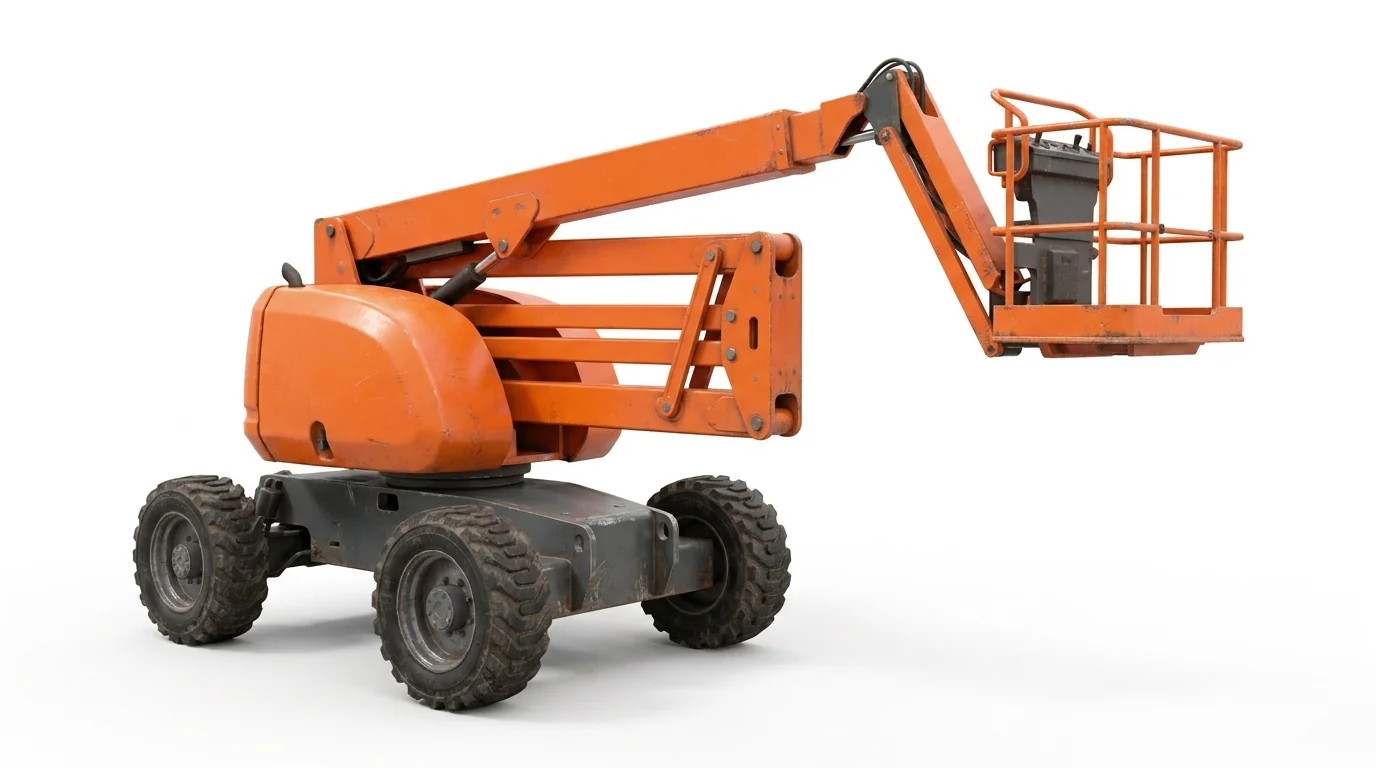
Measure how far the machine must sit from the work due to curbs, docks, retention areas, or production lines. A clear, straight path with no overhead obstructions favors telescopic models. If the boom must bend around mezzanines or racking, compare with /articulating-boom-lift-rental/.
Key planning inputs: - Required horizontal reach and working height from the standoff position - Ground-bearing conditions: asphalt, compacted gravel, or slab - Approach width and turning radius from site entry to setup zone - Expected wind exposure on open sites during fair-weather seasons
Power, tires, and local seasons
Exterior work in the regional climate tends to bunch into spring through fall. Rough-terrain tires, higher ground clearance, and four-wheel drive may be needed where permitted. For winter interior tasks in high-bay manufacturing or warehousing, electric or hybrid options can reduce emissions and tire marking, provided access routes and charging logistics support them.
Platform capacity and tool loads
Straight booms often support façade repair, high signage, lighting, and process work where tool weight matters. Verify the combined load within the platform rating and account for the furthest outreach point on the job.
Compare with other categories
- Need up-and-over around obstructions? See /articulating-boom-lift-rental/
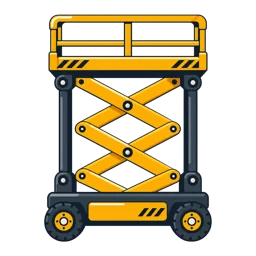
- Strictly vertical slab work indoors? See /electric-scissor-lift-rental/
- For broader aerial options, visit /boom-lift-rental/
Actual conditions, the selected unit’s instructions, and site procedures govern elevated work. In Grand Rapids, varying elevations and seasonal winds influence whether a long-reach straight boom can operate as planned or if an alternative access method is smarter.