Route and setup constraints
Confirm the tightest doorway, ramp grade, elevator cab dimensions, and turning space at the work zone. In research and clinical buildings, low-noise and zero-emission operation may be required, pointing to compact electric units with non-marking tires.
Working height and platform needs
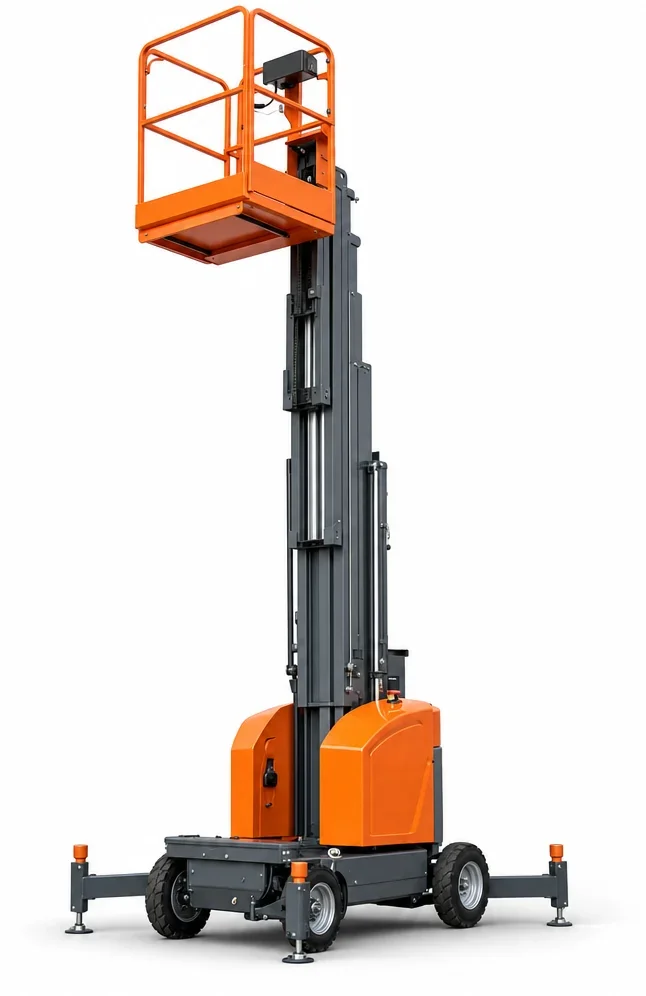
Vertical mast lifts provide straight-up reach for lighting, sensors, signage, and ceiling work without large outreach. Measure: - Working height to the highest task point - Platform capacity for tools common to facility maintenance - Clearance under sprinklers, trusses, and ductwork during approach
Floors, humidity, and storage
Finished floors and frequent cleaning in local facilities prioritize low point loads and clean tires. Winter humidity and tracked-in salt near entries argue for indoor storage and regular wipe-downs to preserve batteries and finishes when units are parked near exterior doors.
Compare related options
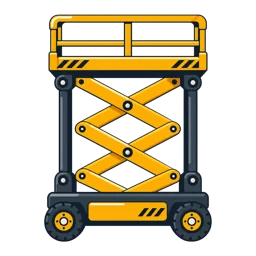
- Need more platform space on smooth slab? See /electric-scissor-lift-rental/
- Need to reach over equipment lines? See /articulating-boom-lift-rental/
- For a broader overview, visit /aerial-lift-rental/
Actual conditions, the selected unit’s instructions, and site procedures govern elevated work. In Grand Rapids, tight interior routes and year-round indoor maintenance make vertical mast lifts a frequent fit for clean, narrow access tasks.
Keep the comparison specific
A useful equipment discussion starts with the work height, the practical machine position, the route into the area, the floor or ground along that route, and the people, tools, or material involved. Those details clarify whether vertical access, outreach, or material placement is the real constraint.