Start with door orientation and approach
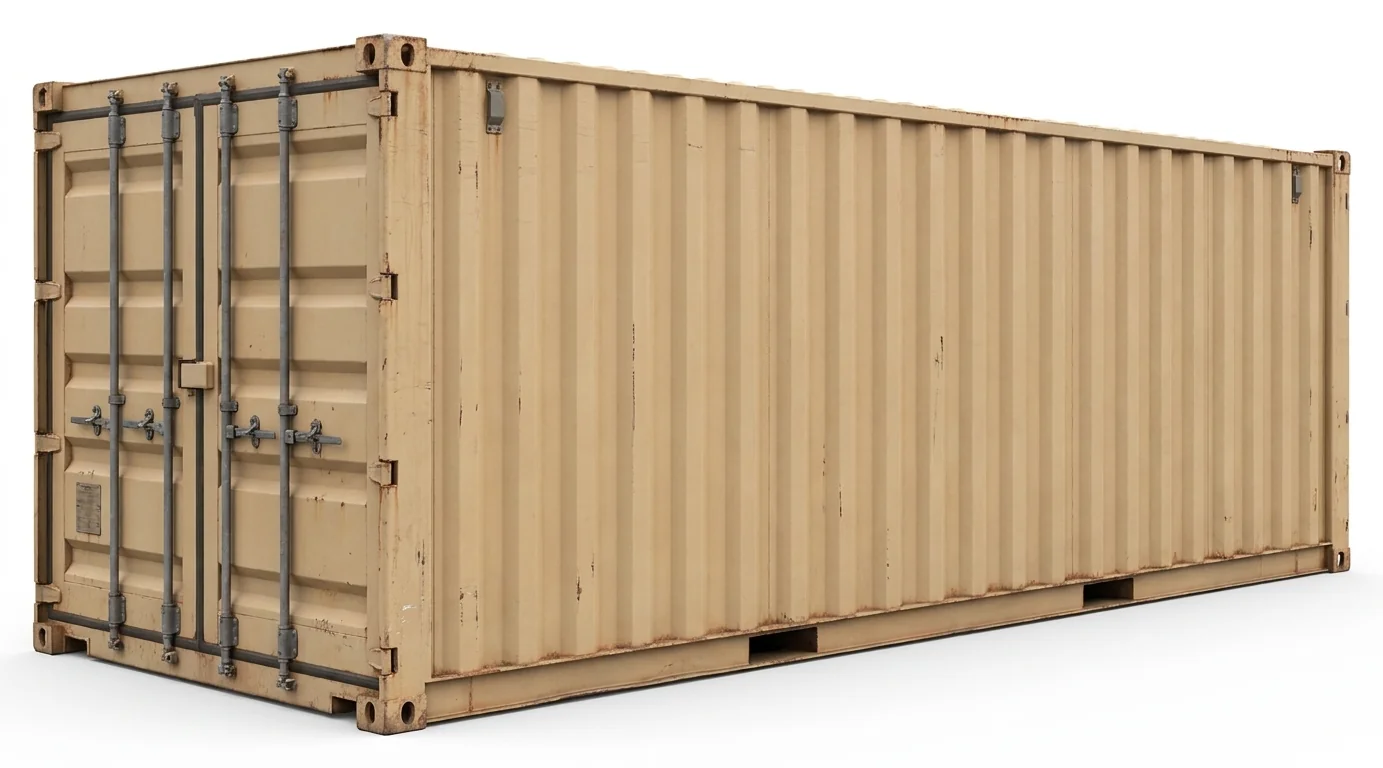
The first decision is whether forklifts, pallet jacks, or hand carts can line up square to the doors. Mark: - Door swing clearance against fences or bollards - Grade at the threshold to avoid pooling meltwater - Turning space for lift trucks without clipping posts or racks
When containers support interior remodels, limit foot-traffic crossings by placing doors toward service corridors instead of public entries.
Surface and seasonal ground conditions
Freeze-thaw cycles around Grand Rapids soften gravel pads and asphalt edges in spring. Containers concentrate load on corner castings, which can sink or rack if the base isn’t uniform. Confirm: - Bearing capacity of the pad during thaw - Drainage paths that won’t ice the doorway - Snow storage locations so plows don’t wall off access
Near river-adjacent slopes or hillside lots, consider how runoff moves around the unit during storms.
Height and clearance inside facilities
For staging next to healthcare and research spaces, overhead lines, canopies, and mechanical overhangs often limit crane or truck access. Measure vertical clearance from street to set point, including any ramps. If interior storage is needed instead, compare narrow-aisle options and material lifts at /forklift-rental/ and /vertical-mast-lift-rental/.
Security and shared yards
Busy manufacturing yards and local distribution buildings mix pedestrians, telehandlers, and scissor lifts. Place containers outside primary travel lanes and lighting cones. If night work is planned, coordinate container rows with temporary illumination at /generators-light-towers-rental/ to reduce blind corners.
Ties to aerial and maintenance work
Containers often stage parts for façade repairs or racking changes. Match the storage line with lift access so materials don’t cross active traffic. For exterior elevations, see /rough-terrain-scissor-lift-rental/ and /boom-lift-rental/. For indoor aisles on finished floors, see /electric-scissor-lift-rental/.
Actual conditions, the selected unit’s instructions, and site procedures govern exterior or elevated work near containers.