When an articulating boom makes sense in Grand Rapids
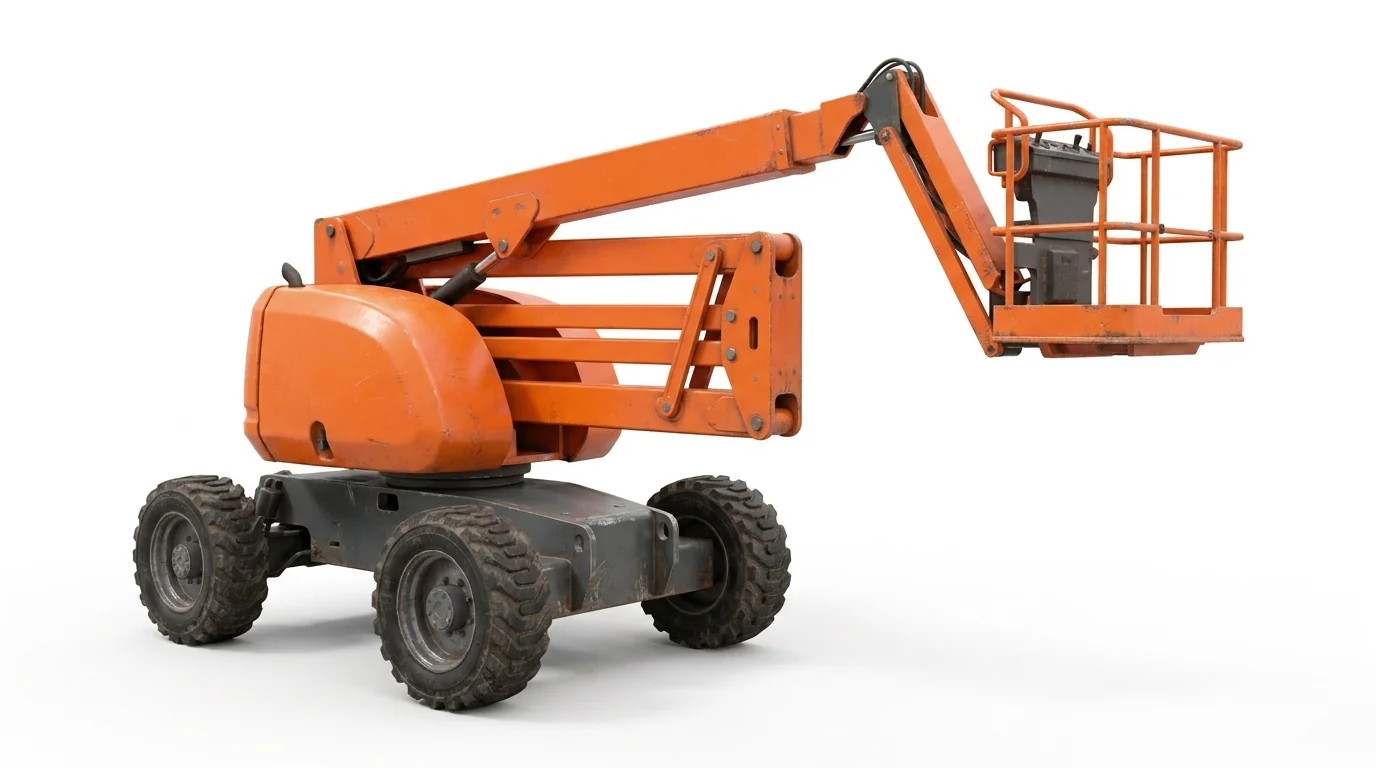
Jobs along the city’s medical and research corridor typically involve sensitive floors, overhead utilities, and restricted corridors between lab or imaging spaces. Those conditions favor electric, non-marking articulating booms with compact tailswing. In manufacturing and logistics buildings, pallet racking, conveyors, and sprinkler mains require up-and-over positioning rather than a straight line. Outdoors, varying elevations near water and hillside grades can demand oscillating axles and outriggers, but only when the surface and site rules allow it.
Key questions that shape the selection: - Can the base sit directly under the work, or must the boom “up-and-over” an obstacle? - What is the narrowest doorway, corridor, or aisle between storage and work area? - Are floors finished or coated, requiring non-marking tires and electric power? - Is the setup area level, or will the machine need rough-terrain features?
Height, outreach, and platform constraints
Articulating models trade a bit of straight reach for the ability to bend around obstructions. Measure: - Working height and horizontal reach to the furthest point past the obstacle - Clearance under overhead utilities or mezzanines during approach - Platform capacity needed for tools or materials common in facility maintenance
Power source and tires for local interiors
Winter humidity, tracked-in salt, and year-round indoor work in healthcare and high-bay plants point to electric units with non-marking tires. Charging access and ventilation rules in occupied buildings further define the choice. For exterior tasks during clear seasons, engine-powered units with rough-terrain packages may be appropriate where site conditions permit.
Related categories to compare
- For straight, unobstructed lines to the work, see /telescopic-boom-lift-rental/
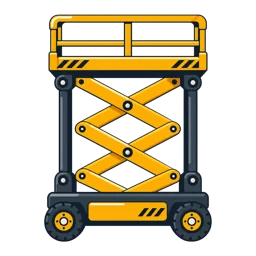
- For slab-only vertical work with minimal outreach, see /electric-scissor-lift-rental/
- For general boom overviews, see /boom-lift-rental/
Actual conditions, the selected unit’s instructions, and site procedures govern elevated work. Local surfaces, grades, and weather windows in Grand Rapids frequently determine whether a compact electric articulating unit or a rough-terrain configuration is feasible.