Aisle, turning, and lift height
Measure the narrowest aisle and the smallest turn into racking. High-bay storage common in regional facilities pushes mast height, free lift, and overhead clearance. Choosing a truck that fits the tightest turn while maintaining rated capacity at the top position is usually the deciding step.
Surface and tire considerations
- Smooth interior slabs with sensitive finishes often suit cushion tires and electric power.
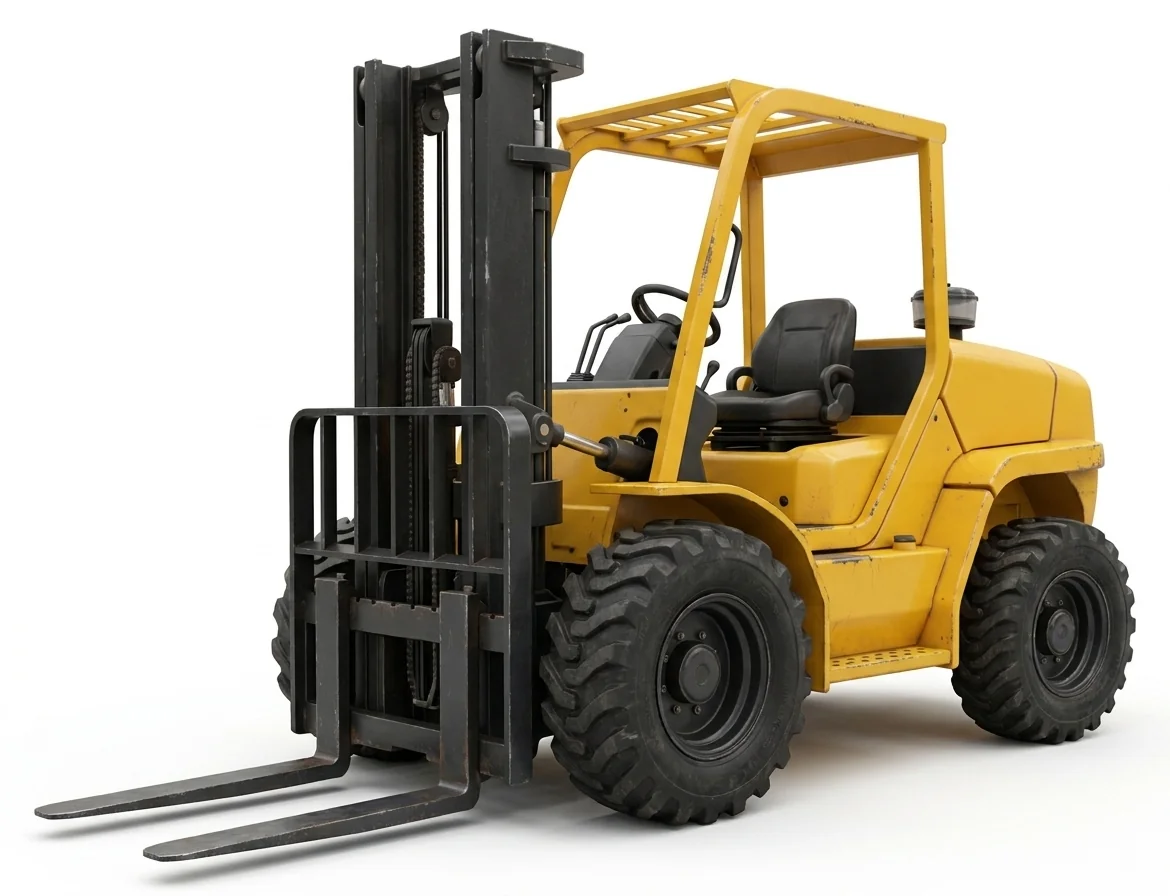
- Mixed dock yards and older warehouse aprons may require pneumatic tires and higher ground clearance.
- Salt and moisture near loading doors can affect traction; non-marking tires reduce floor staining in occupied spaces.
Power source, runtime, and charging
For multi-shift interiors, battery capacity and charge access matter. High humidity and cold air around doorways can influence battery performance and charging logistics. Where occasional outdoor work is unavoidable, engine power and weather exposure planning come into play.
Compare related categories
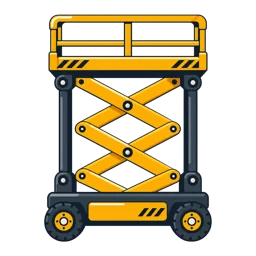
- For elevated personnel access to maintenance tasks, see /vertical-mast-lift-rental/
- For placing pallets at elevation outdoors, see /telehandler-rental/
- For broader aerial options, see /aerial-lift-rental/
Actual conditions, the selected unit’s instructions, and site procedures govern material handling. In Grand Rapids, seasonal moisture and industrial traffic patterns often determine the forklift class and tire package that work best.